Eat for Mental Health
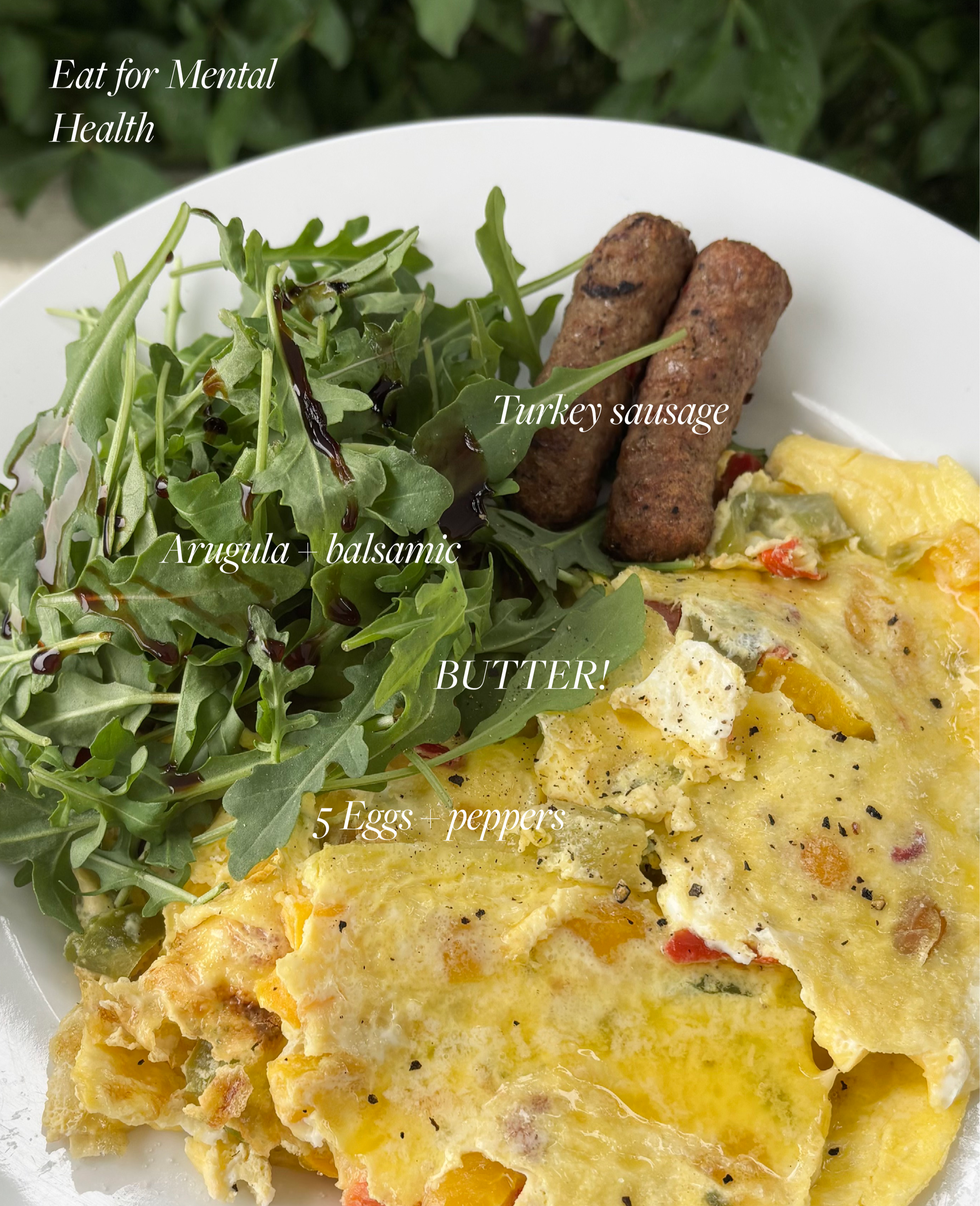
If you’ve ever suffered from anxiety and / or depression, read up. What you eat can dramatically affect your mood. Of course there are so many layers to mental health and your lunch choice might be just the tip of the iceberg, but being more aware of what you put in your mouth can be a minor first step with mega results.
Forget about food-logging for calories. What you really should be tracking is how foods affect your mood. Here are my top three bad-mood-inducing culprits:
Culprit #1: Refined Carbs
Refined / processed carbs have very little (if any) fiber and no fat which means there’s nothing in them to reign in a blood sugar spike. If you notice you tend to be grumpier on days you had cereal for breakfast than on omelette days, there’s a reason. Sometimes post-meal anxiety / depression happen because you had a huge blood sugar surge and now you’re crashing. One way to prevent that crash is to pair carbs with fat.
Here are a few examples of what I’d suggest once you pinpoint the carbs that affect your mood.
If pasta makes you cry:
Stop eating pasta.
Switch to lentil or chickpea pasta.
Eat less pasta and more of everything else at dinner (salad, meatballs, etc.)
Drown it in olive oil for that carb-fat pairing effect I mentioned above.
If oatmeal makes you hangry:
Stop eating oatmeal.
Switch to warm quinoa or chia pudding.
Eat less oats and add a handful of nuts, a heaping spoon of peanut butter, or pair it with a full fat yogurt or low fat yogurt with nuts.
If pizza makes you emotional:
Stop eating pizza.
Try a lower carb option like cauliflower or almond flour crust pizzas.
Eat less pizza and order a few things from the appetizer menu like salad, grilled veggies, meatballs, etc.
Culprit #2: Fast Food
You know how you feel totally gross after a road trip fueled only by rest stop food? If you’re eating fast food on the regular, you’re basically doing this to yourself constantly. You’re never going to feel great mentally or physically if dinner plans are typically from a pickup window.
Culprit #3: Alcohol
This one annoys me most. I love a glass of wine with dinner, but I noticed it was making me moody so I cut it out. Having a few drinks on the weekend can be perfectly fine and healthy, but really watch for mood changes as the buzz wears off. Also pay attention to how you feel the day after drinking. If you’re grumpier, lazier or hungrier that’s a recipe for lousy mental health.
With all of this said… there will be times when you’ll eat foods you know don’t make you feel great emotionally, but you did it anyway. Do NOT beat yourself up. Just get right back on the clean-eating horse and move on even more aware of how great it feels to fuel your body properly.
Tools + Resources
Quick note: supplements can interact with medications so always run it by your provider before buying any.
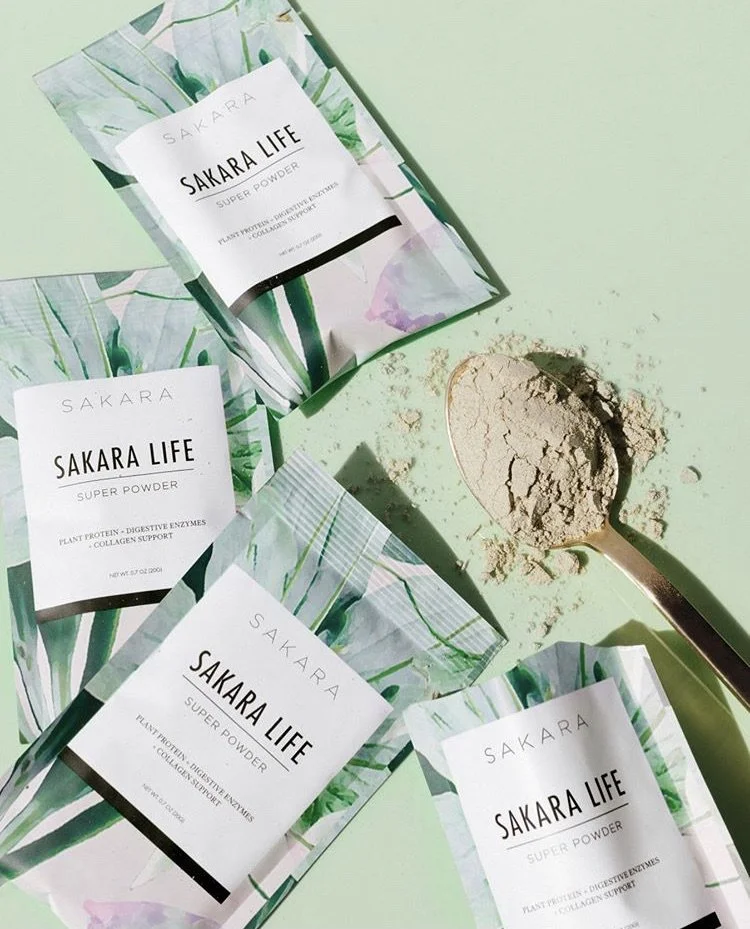
GABA- neurotransmitter with a calming effect, might help with anxiety
B-Complex- might help with depression
The Food Mood Connection by Uma Naidoo, MD
Eat to Beat Depression and Anxiety by Drew Ramsey, MD
TAP to SHOP